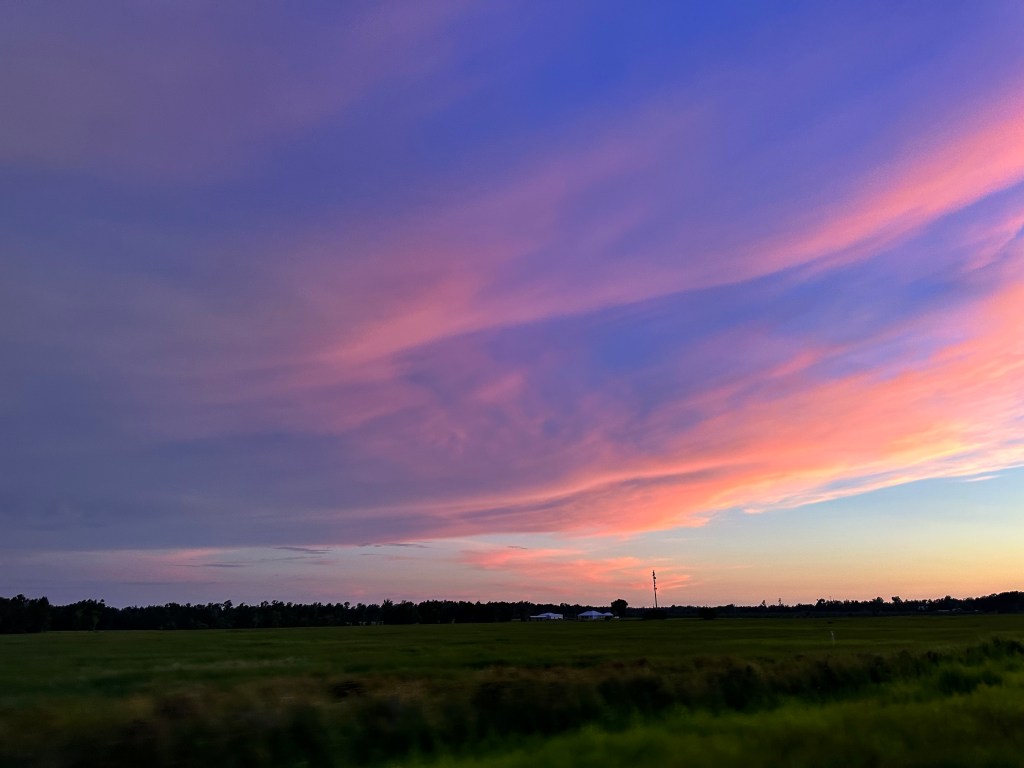
Bowling Green, FL, November 27 — As pavement is laid for new houses and roads, the landscape of Florida has swiftly filled with neighborhoods that are taking over the palmettos and cypress trees once sprawling across the state. This urban sprawl consists of new developments to intake the growing number of Florida residents.
The widespread construction of new cities and homes now threatens Florida’s wildlife and natural habitats as urban development spreads. Habitat fragmentation and a loss in biodiversity will be seen throughout the continued upheaval of land.
Increased land development stems from the need to house the growing number of residents moving to Florida, which in turn furthers the loss of habitat for native wildlife.
By April 2023, an estimated 23.1 million people will be living in Florida according to a report from the Demographic Estimating Conference panel. This intake of residents is the main reason behind the rapid construction across the state.
According to this new report, an estimated increase of 303,264 residents will move to Florida per year. With this significant population uptick, competition arises between residents and wildlife for Florida’s land and water.
Through the development of housing and roadways, wildlife within these construction zones is at risk. Industrialization leads to a fragmented habitat that divides the natural landscape within which wildlife would regularly navigate.
Areas once open spaces for Florida’s natural wildlife, are dominated by human activity and high-density neighborhoods that can be dangerous for animals to cross. Highways and construction zones become threats to animals that migrate across Florida’s land as these obstacles can obstruct their pathways.
From the Florida Fish and Wildlife Conservation Commission’s Florida 2060 Scenario report, 3 million acres of existing agricultural lands, along with 2.7 million acres of native habitat will succumb to roads, malls, and subdivisions.
The increase in development severs habitat connectivity as urban development leaks into agricultural and rural areas. While urban sprawl is inevitable, the industrialization of Florida’s land centers on environmental planning and execution to preserve the habitats and wildlife that make up the state.
Appropriate land development clusters homes away from areas such as wildlife travel corridors. This maintains a buffer between suburbia and habitat areas that provide safe paths for wildlife to cross and live peacefully.
Finding a middle ground for Florida residents and wildlife to coexist within the state relies on local and state governments to uphold developers to the policies in place to protect the habitats and animals; moreover, responsibly developing the land considering the wildlife that live in the swamps, hammocks, and dry prairies across Florida.
Florida’s appeal centers around the land and wildlife that draw so many to reside within the sunshine state. Informing residents about wildlife protection and the ecological impact they have will help in preserving habitats along with the wildlife that lives around or within these new developments.
Urban sprawl is inevitable within Florida, as development continues to take over agricultural and rural lands. However, taking the time to plan for the impact on native species and habitats to not displace them will help conserve Florida’s unique biodiversity.

 L&L Content Creation
Leave a comment